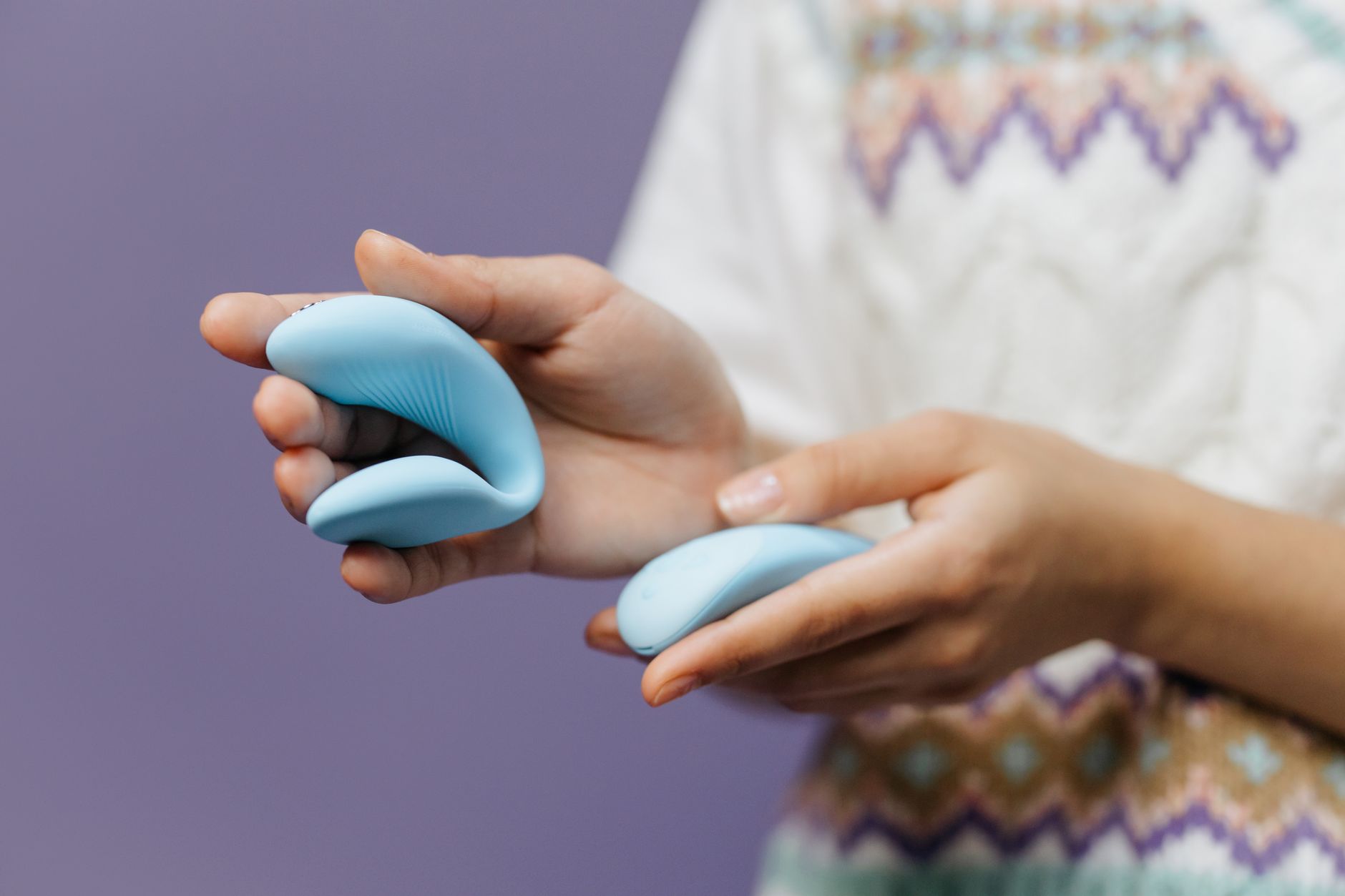
How hormone therapy reshapes your body's pleasure response
Hormone therapy changes everything. Not in a catastrophic way. But in a real, noticeable way that deserves honest language instead of reassuring silence.
When you start estrogen therapy, testosterone therapy, progesterone, or any combination, your tissue sensitivity shifts, your arousal timeline stretches, and the exact pattern of sensation that worked three months ago might feel flat now. For many people, that transition includes a grieving phase. You're not broken. Your body is literally reconstructing itself at a cellular level, and pleasure is tied to that process.
Here's what I see in my practice: people panic because they think the intimacy is gone. It's not. It's reorganizing. And once you understand what's happening physiologically, you can work with it instead of against it.
Why sensation feels muted or different
Hormone therapy affects tissue hydration, blood flow, and nerve sensitivity. Estrogen increases blood flow to genital tissue and supports moisture. Testosterone amplifies the intensity of sensation and desire itself. When you adjust your hormone levels, the nervous system has to recalibrate what "aroused" actually feels like.
This is temporary. Your body will adapt, usually within 2 to 8 weeks of dose stabilization. But during that window, the toys and techniques that used to work might feel underwhelming. That's not a sign to quit. It's a sign to adjust.
Many of my clients also report a secondary effect: reduced confidence. You spent years understanding your body. Now it's responding like a stranger's. The temptation is to shut down and wait until everything "normalizes." Instead, I recommend the opposite. This is the perfect moment to explore what your body wants now.
Why lemon clitoral vibrators are particularly useful during this transition
The design of a lemon vibrator matters here. Air-suction stimulation works differently than traditional vibration. Instead of relying on frequency and direct pressure, suction engages a broader network of nerve endings and creates a rhythmic pulling sensation that doesn't require the same tissue sensitivity.
When hormone therapy has made your tissue more delicate or your sensation more muted, suction-based stimulation bypasses that friction entirely. You're not fighting against reduced lubrication or thinner tissue. You're working with a completely different mechanism. Many people report that they reach orgasm faster on a lemon vibrator during hormone transitions than they do with traditional toys, even though the overall sensation feels softer.
The lemon's design is also forgiving about application. You don't have to position it with laser precision. You don't have to maintain constant pressure. The suction does the work, and that autonomy matters when your body is already asking you to surrender to change.
How to restart intimacy with yourself first
I always tell couples this: you cannot rebuild partnership intimacy until you've rebuilt solo intimacy. That's not selfish. That's wise.
When hormone therapy shifts your sensation, the first person you need to reconnect with is yourself. Start with exploration, not performance. That means:
Set a different intention. Not "Can I have an orgasm?" but "What does my body enjoy right now?" Orgasm is the destination. Pleasure is the territory you're mapping.
Extend your warm-up time. Hormonal shifts often lengthen arousal. Where you used to need 5 minutes, you might now need 20. That's not broken. That's information. Use it.
Start at lower intensity settings. If you're using a lemon vibrator, begin at patterns 1 or 2. The sensation will feel delicate, almost tentative. That's exactly right. Your tissue is more sensitive, even if overall sensation feels muted. Let the intensity build gradually.
Pay attention to rhythm, not just sensation. When tissue sensitivity fluctuates, the rhythm of stimulation becomes more important than raw power. Notice which patterns create a building sensation versus a plateau. You'll find patterns that your hormonally shifted body responds to strongly.
Rebuilding intimacy with a partner after hormone shifts
This conversation is different from solo exploration, and it needs its own time and space.
First: tell your partner what's happening. Not "sex feels bad now" but "my body is changing and I'm learning what it needs." That reframes the conversation from loss to discovery. Your partner is not losing you. You're both discovering a new version of you together.
Second: separate the two conversations. "I'm experiencing hormone therapy changes" is different from "I want us to be more intimate." Merging them creates pressure, and pressure kills exploration. Have both conversations, but not at the same time.
Third: invite your partner into the exploration phase, not the performance phase. That means showing them what you're learning about your own body. If you've discovered that suction-based stimulation works better for you now, share that. If you need longer warm-up, tell them. If you want them to explore a lemon vibrator with you, invite them to do that without expectation of outcome.
Many partners feel helpless during hormone transitions. They don't know what to do or say. Giving them a clear role in your pleasure journey often transforms their anxiety into active partnership.
When to reach out for additional support
If pain appears during sex, that's worth a conversation with your hormone prescriber. Hormone therapy should expand your options, not create new friction.
If desire has completely disappeared and isn't returning after 8 weeks, that's also worth mentioning. Sometimes dose adjustment helps. Sometimes adding a different hormone helps. Sometimes the issue is unrelated to the hormone therapy and needs a separate conversation.
If you're experiencing anxiety or identity confusion during hormone therapy, a therapist familiar with hormone transitions can be invaluable. Your pleasure journey is not separate from your emotional journey. They inform each other.
The longer timeline for rebuilding pleasure
Here's the part most people don't want to hear: restoring full, easy pleasure after hormone therapy can take 3 to 6 months. Not because something is wrong. Because your nervous system is recalibrating, your tissue is rebuilding, and your brain is learning to associate your new body with pleasure instead of grief.
That timeline is normal. That timeline is actually fast, compared to how long it took your body to change in the first place.
During that time, tools matter. Knowledge matters. But patience matters most. You are not broken. You are not less capable of pleasure. You are in the middle of a profound physical transition, and your pleasure will expand again. It will look different. It might actually feel richer than before.
FAQ: Hormone therapy and pleasure
How long does it take for sensation to return to normal after starting hormone therapy?
Tissue recalibration typically takes 2 to 8 weeks after your hormone dose stabilizes. Full neural adaptation and confidence usually takes 3 to 6 months. Every body is different, and dose timing matters. Some people notice shifts within days. Others need weeks. Work with your prescriber on dose timing and monitoring so you can separate hormone adjustment effects from other factors.
Can I use the same lemon vibrator settings during hormone therapy as I used before?
Probably not, and that's okay. During hormone transitions, many people need to start at lower intensity settings than they used pre-therapy. Your tissue sensitivity is different. Rather than staying with your old favorite pattern, treat this as a rediscovery phase. Start at intensity 1 or 2 on a lemon clitoral vibrator and work up gradually. You might find that you actually prefer lower intensities now, or you might eventually go higher than before. The key is giving your body permission to want something different.
What if my partner is uncomfortable with hormone therapy changes affecting our sex life?
That discomfort is worth naming and exploring with compassion. Often, partners worry they're doing something wrong or that the attraction has shifted. Separate those conversations. Schedule a dedicated talk about what's changing physiologically, then a separate conversation about what you both need from your intimate life going forward. Many couples find that hormone transitions actually deepen intimacy, because they force a conversation about pleasure that might have been dormant for years.
Does hormone therapy make orgasms feel different?
Yes. Many people report that orgasms feel more localized, less intense, or delayed after starting hormone therapy, especially in the first months. This usually shifts as your body adapts. Some people eventually report stronger orgasms than before. The key is not to panic when the sensation changes. Explore it. Use tools like lemon vibrators that work differently than what you're used to. Notice what builds pleasure now versus what used to work. Your pleasure is not gone. It's reorganizing.
Can I use lemon vibrators safely during hormone therapy?
Absolutely. There's no contraindication between hormone therapy and using a lemon vibrator or any other toy. What changes is your tissue sensitivity and how your nervous system responds to stimulation. If anything, having a tool designed for sensitive tissue, like a lemon sucker with air-suction technology, makes exploration safer and more comfortable during hormone transitions. Just make sure you're using plenty of water-based lubrication and starting at lower intensity settings.
Should I tell my prescriber that I'm using vibrators during hormone therapy?
If something hurts, yes. Otherwise, no. Your pleasure practices are your business. What your prescriber needs to know is whether you're experiencing pain, significant loss of sensation, or complete loss of desire. Those are clinical concerns. Exploring with a toy is not. If you have questions about whether something you're experiencing is normal, frame it in terms of sensation and comfort, not tools.
Rebuilding takes time. Your pleasure will return.
Hormone therapy is not a pleasure pause. It's a recalibration. Your body is rebuilding itself in real time, and yes, that affects sensation and response. But it also creates an opportunity to learn your body again without the old scripts.
Many of my clients report that once they moved through the transition period, their pleasure became richer, more intentional, and more aligned with what they actually wanted rather than what they thought they should want. That shift is worth the 3 to 6 months of adjustment.
For now: be patient with yourself. Use tools like lemon vibrators that work with your changing tissue, not against it. Talk to your partner without shame. And remember that you're not broken. You're transforming. And transformation always takes time.
If you'd like to talk through your specific situation and what might help you rebuild intimacy after hormone therapy, reach out. I'm here to help you navigate this transition with clarity and compassion.